
Engineering Data & Plant Digitalisation
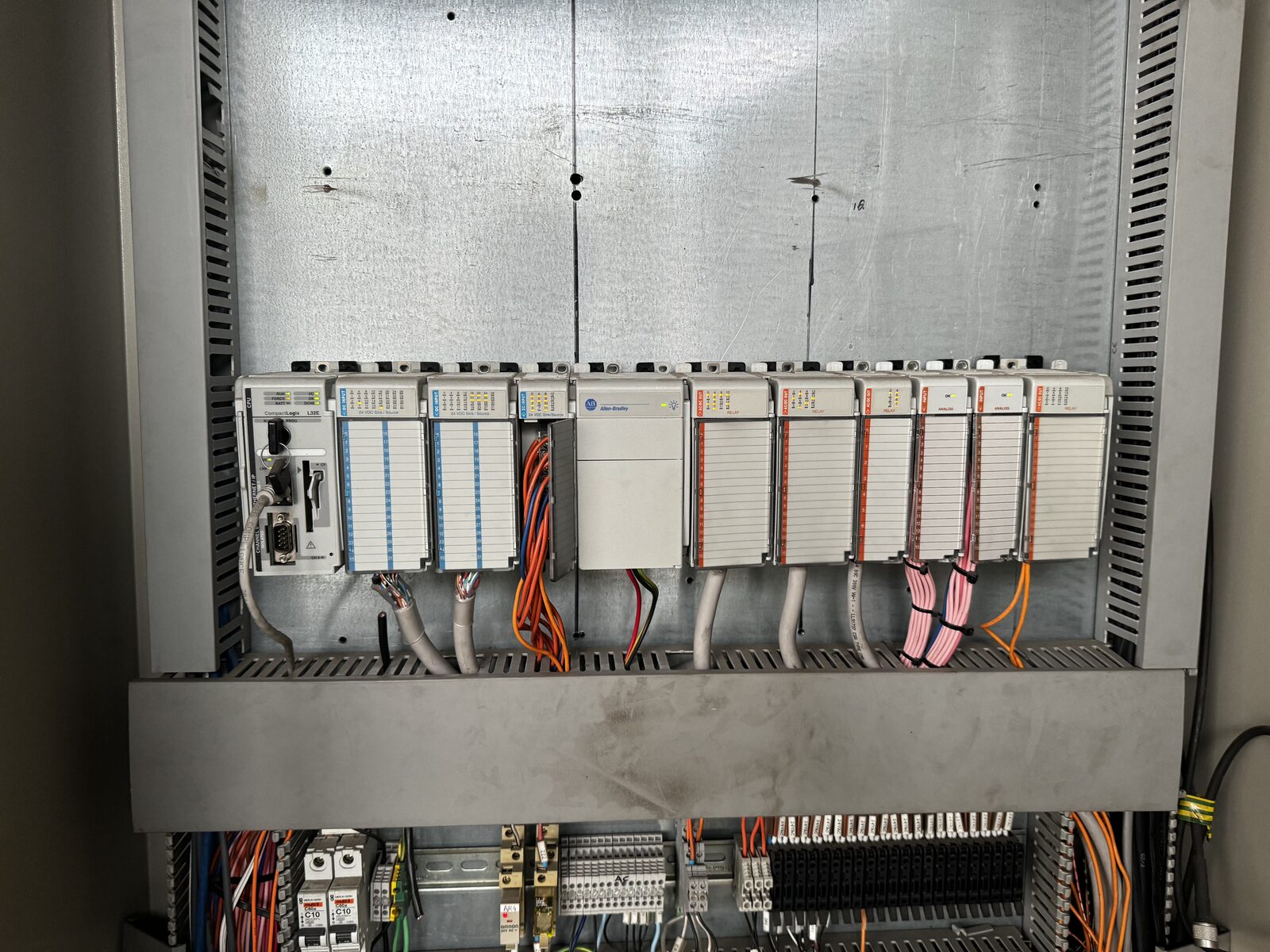
Reliable digitalisation starts with well-defined plant data. Exka rebuilds equipment structures, tag definitions, alarms, interlocks and event-recording logic alongside the control system, giving reporting, asset management, MES and analytics platforms a consistent and traceable source of operational information.
Digital applications are only as good as the plant data
Reporting, MES, asset management and analytics platforms process whatever data they receive. Inconsistent equipment names, unclear states and undefined record triggers carry straight through into their results.
The data foundation is built into the control system, where equipment, states and events are defined, rather than patched in each application that reads it.
| Plant data problem | What we resolve | Value for digitalisation |
|---|---|---|
| Inconsistent tag names, unclear equipment ownership | One asset hierarchy, naming convention and equipment model | Equipment and data can be related across systems |
| Inconsistent units, scaling and state meanings | A data dictionary and explicit state definitions | Fewer misinterpretations and repeated mappings |
| Unclear triggers for downtime, running and production records | Rules for start, end, cancel, reset and reason codes | Events and statistics can be traced |
| Unclear links between alarms, interlocks and stop reasons | Alarms, interlocks, control actions and cause and effect linked | Fault investigation and downtime analysis |
| Communication loss, stale and invalid values not flagged | Data quality and time information defined at acquisition and interfaces | Upper systems can tell whether data is usable |
| Data structures diverging project by project | Maintainable equipment structures, interface definitions and version records | Multiple systems, sites and later expansion |
What we deliver
Asset hierarchy & naming
Site, area, system and equipment structure, with one naming convention and identifiers used across systems.
Equipment models
One data structure per equipment type, shared by the PLC, SCADA and upper systems.
Data dictionary
Units, ranges, scaling and the meaning of every state, so each value is read the same way everywhere.
Event & record definitions
What starts and ends a record, how it is cancelled, reset or retriggered, and where timestamps and reason codes come from.
Alarm, interlock & cause-and-effect links
Alarms, interlocks, control actions and stop reasons linked so faults and downtime can be traced.
Data quality & time
Communication loss, stale and invalid values flagged at acquisition and at every interface.
Interface definitions & versions
Defined interfaces to reporting, MES, asset management and analytics, with version records as the structure evolves.
Example: an event definition
| Event | Equipment stopped (unplanned) |
|---|---|
| Starts when | Running feedback is lost while no stop was requested |
| Ends when | Running feedback returns |
| Cancelled when | The stop lasts less than the minimum duration agreed for the site |
| Reason code | First-out interlock or fault active at the start of the event |
| Timestamp source | The PLC, at the moment the start condition is met |
Illustrative only; definitions are agreed with each site.
What we work from
- Existing PLC and SCADA applications
- Tag, I/O and alarm lists
- Historian, report and dashboard definitions
- Known reporting or data problems
With a rebuild, or on its own
The data foundation is delivered as part of a control system rebuild, or as its own piece of work on an existing system.
The data foundation of the new system and the clean-up of existing historical data are scoped as separate pieces of work.
Plant Data Visibility & Digitalisation
Practical digitalisation and operational data visibility for plant operation, troubleshooting, reporting and improvement.
Typical scope
- Operational dashboards and reporting
- Downtime, bottleneck and event visibility
- Equipment status and utilisation monitoring
- Energy and performance visibility using available motor-control and process data
- PLC, HMI, SCADA and device data integration
- Remote monitoring and data interface support
- Data structures that support future improvement, not just one-off reports
Discuss your plant data
Tell us where the data comes from today, which records or reports are unreliable and which applications need to use it.